How Teachers Use Online Quizzes to Enhance Classroom Learning
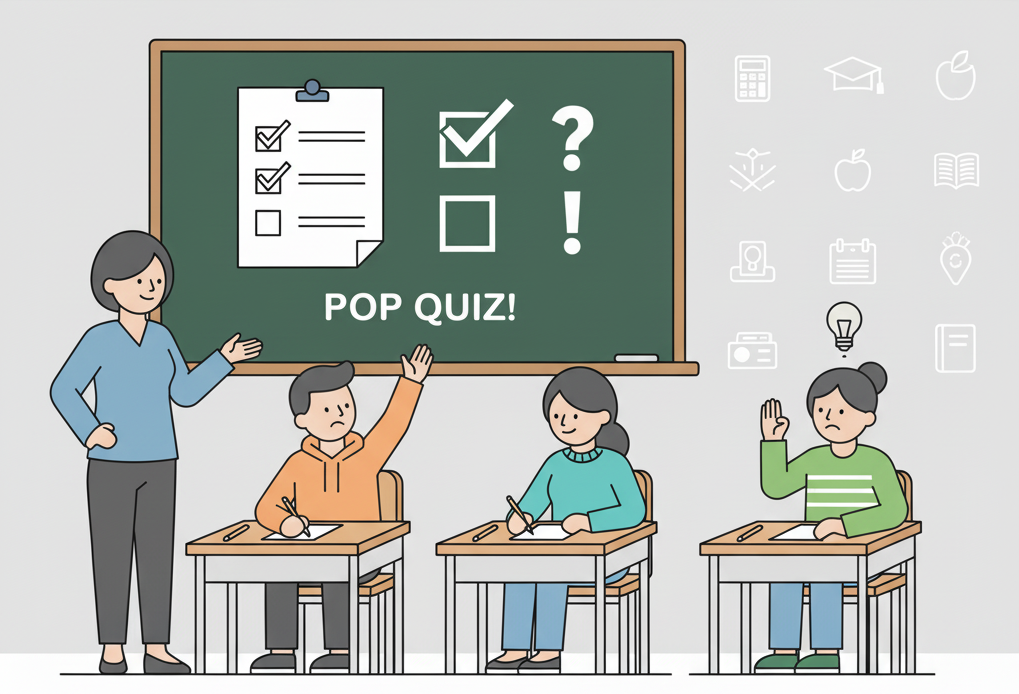
Discover how educators like Matt Kerr, Teagan Kane, and others leverage online quizzes to boost student engagement, provide instant feedback, encourage collaboration, and make learning interactive and fun. Learn different strategies that transform quizzes into powerful teaching tools.
Explore how educators use online quizzes to assess knowledge, boost engagement, and foster collaboration in classrooms.
How Teachers Use Online Quizzes to Enhance Classroom Learning
Educators from various institutions share insights into effective quiz strategies that promote student engagement, knowledge retention, and interactive learning.
Assessing Understanding and Knowledge
Many teachers employ online quizzes primarily to evaluate student knowledge and comprehension of various topics quickly and efficiently. Matt Kerr highlights how quizzes help teachers identify gaps in students’ understanding, enabling targeted instructional adjustments.
Layla Acharya emphasizes that short, regular quizzes are valuable revision tools that aid in reinforcing lesson content and pinpointing areas needing further explanation. Similarly, Sophie Parker notes that platforms like Kahoot and BBC Bitesize make creating assessments easy and engaging for both teachers and students.
Increasing Engagement Through Gamification
Turning quizzes into games is a popular method to motivate student participation. James Prior explains how leaderboards and rewards for top performers or most improved learners create clear goals that foster a fun, competitive environment. Anne also mentions the use of Kahoot for informal assessments, which encourage teamwork and reduce test anxiety by focusing on the game aspect.
Russell Kilgour adds that some platforms reward both speed and accuracy, helping students practice responding under pressure while tracking their progress.
Promoting Collaboration and Critical Thinking
Quizzes are utilized as tools for collaboration as well as evaluation. According to Jamie Irwin, teachers encourage students to work together by creating shared cheat sheets before quizzes, fostering cooperative learning.
Additionally, Matt Kerr notes that having students design their own quizzes reinforces critical thinking, helps them identify key concepts, and deepens their engagement with the material. Rachel Posey agrees, pointing out that student-created quizzes encourage deeper learning and ownership of knowledge.
Providing Immediate Feedback and Continuous Improvement
Immediate feedback is a key advantage of online quizzes. Troy Portillo explains that instant correction after answering enhances memory retention. Kamran Khan and Ayham Shakra discuss how fast feedback helps identify weaknesses and enables personalized support.
Sarah Connell Sanders highlights the importance of frequent low-stakes quizzes, which encourage retrieval practice that transfers knowledge from short-term to long-term memory and reduces test anxiety over time.
Extending Learning Beyond the Classroom
Online quizzes provide opportunities beyond the physical classroom. Victoria Taylor points out that quizzes can track learning progress and offer extra credit tasks, encouraging creativity and critical thinking outside school hours.
Matt Kerr and William Christie note that quizzes allow students to work at their own pace, making learning personalized and interactive. E. Scott England mentions replacing traditional spelling tests with digital quizzes that include audio prompts and automated scoring, increasing accessibility and efficiency.
Fostering Community and Motivation
Teagan Kane stresses that quizzes help students engage in real-time with peers, fostering a sense of community through friendly competition and collaboration. This approach makes learning social and interactive while integrating technology seamlessly.